

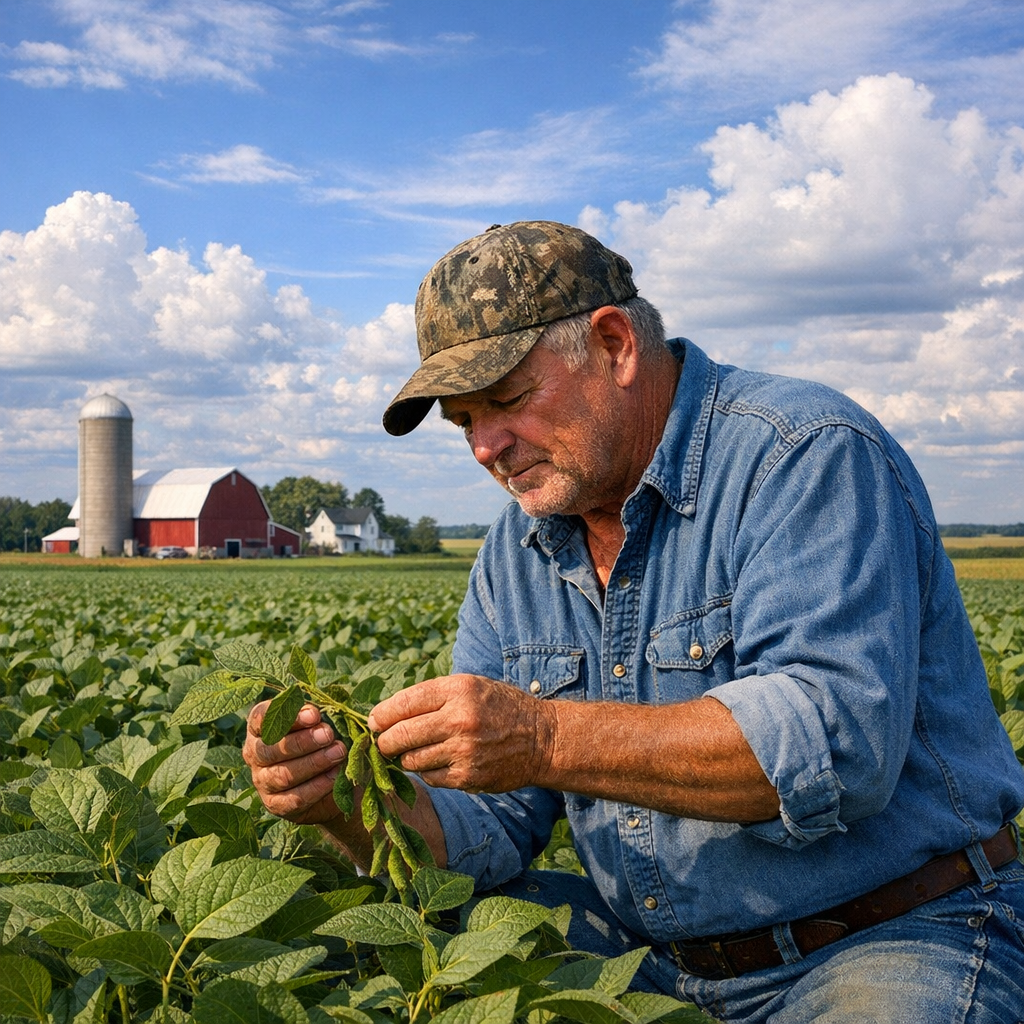
As climate patterns shift, Worthington’s agricultural community faces new challenges and opportunities. Understanding these changes is crucial for developing effective adaptation strategies.
Impact on Crop Production
Climate change is altering temperature and precipitation patterns, directly affecting crop yields. Warmer temperatures can lead to increased pest activity and plant diseases, while heavier rainfall may cause soil erosion and planting delays. Conversely, longer growing seasons might offer opportunities for diversifying crops.
Effects on Livestock
Livestock are also vulnerable to climate shifts. Increased heat can cause heat stress in animals, leading to reduced growth rates and reproductive issues. For instance, heat-stressed hogs may eat less, affecting their development and health.
Adaptive Strategies
To mitigate these challenges, local farmers can adopt several practices:
- Soil Health Management: Implementing cover cropping and reduced tillage to enhance soil structure and fertility.
- Water Management: Developing efficient irrigation systems and improving drainage to handle variable precipitation.
- Crop Diversification: Introducing climate-resilient crop varieties to reduce risk.
- Livestock Care: Providing adequate shade and ventilation to minimize heat stress in animals.
By proactively adopting these strategies, Worthington’s agricultural sector can build resilience against the evolving climate, ensuring sustainable production for the future.