
By Olivia Johnson
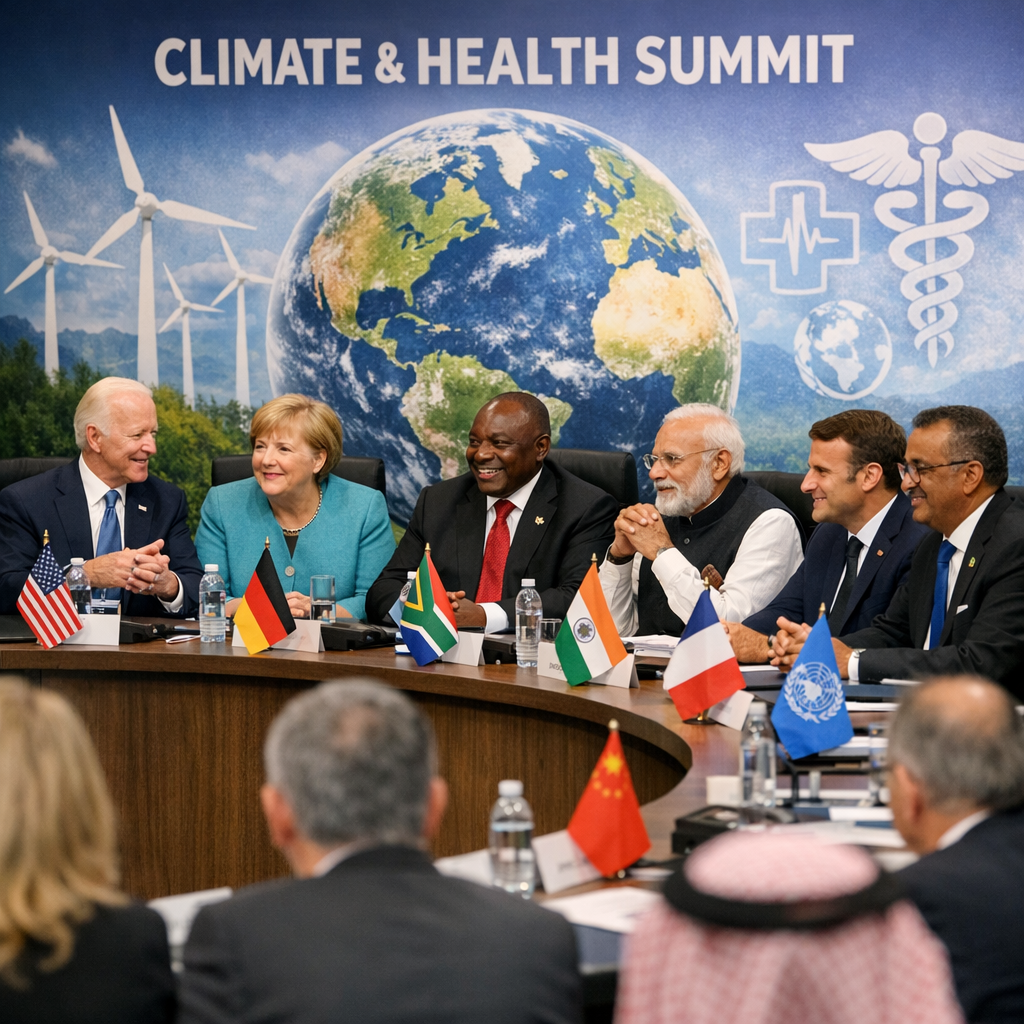
While dramatic headlines can grab attention, the biggest global stories tend to linger in patterns—through health trends, climate negotiations, conflicts, and how countries adapt (or don’t). Here are three interconnected global developments that present both warning signs and opportunities for long-term change.
1. Fragile Gains in Global Public Health
Over the past decade, millions more people have benefited from expanded access to clean water, better sanitation, disease prevention programs, and reduced HIV infections. Yet recent reports warn that many health-related Sustainable Development Goals (SDGs) are slipping out of reach. Progress has been uneven. In places already struggling with poverty, conflict, or weak infrastructure, the pandemic and other crises widened existing gaps.
Emerging risks include resurgences of infectious diseases, rising child malnutrition and overweight, and lack of investment in health data. For example, maternal mortality is improving slowly in many places but remains far above target levels. Health systems are strained—especially in conflict zones—and global financing for emergencies and prevention is under pressure.
2. Climate Agreements vs. Climate Reality
International climate goals continue to climb: many nations are delivering updated or strengthened commitments under the Paris Agreement (known as Nationally Determined Contributions, or NDCs), and reporting mechanisms like the Biennial Transparency Reports (BTRs) are gaining traction. But there’s a tension between ambition and implementation. Experts point out that the pace and scale of action still fall short of what’s needed to hold warming well below 2 °C, let alone reach 1.5 °C.
Other climate‐related pressures—like extreme weather, shifting growing seasons, and sea level rise—already have serious local effects, especially in vulnerable regions. Lack of finance, weak enforcement, and systemic inequalities make it harder for low-income countries to adapt. The urgency of integrating mitigation and adaptation into daily policies grows in communities everywhere.
3. Conflict, War, and the Global Economy
Wars and geopolitical crises continue to produce ripple effects far beyond borders. Energy price fluctuations, disrupted supply chains, and inflation are felt even in places far removed from conflict zones. Some economies have been more resilient than expected; others—especially those dependent on energy imports or with fewer financial buffers—are being hit harder.
Humanitarian needs are rising, particularly in regions where war has damaged health infrastructure, interrupted food production, or triggered displacement. Meanwhile, shrinking funding for humanitarian assistance threatens to leave many in need without essential support.
What This Means for Worthington
Though thousands of miles away, our community connects to these global trends. Worthington businesses that depend on agricultural imports or energy face price ripples from global supply disruptions. Local health care providers and clinics may eventually feel shortages if international shocks stress supply chains. Environmental policies at home—from how we build infrastructure to how we manage water and land—can either help buffer global climate shifts or make us more vulnerable.
Looking Ahead: What We Can Do
- Stay informed—Subscribe to reliable global health and climate briefings so that local decisions can align with long-term risks and opportunities.
- Advocate locally—for better public health funding, resilient infrastructure, and sustainable policies that consider both mitigation and adaptation.
- Support global cooperation—whether through local groups, non-profits, or through civic engagement, we all play a role in pushing for more equitable and effective global responses.
Our world is complex, but patterns matter. Recognizing how health, climate, and conflict are linked helps us see what is at stake—and why what happens globally reaches us, here at home.