

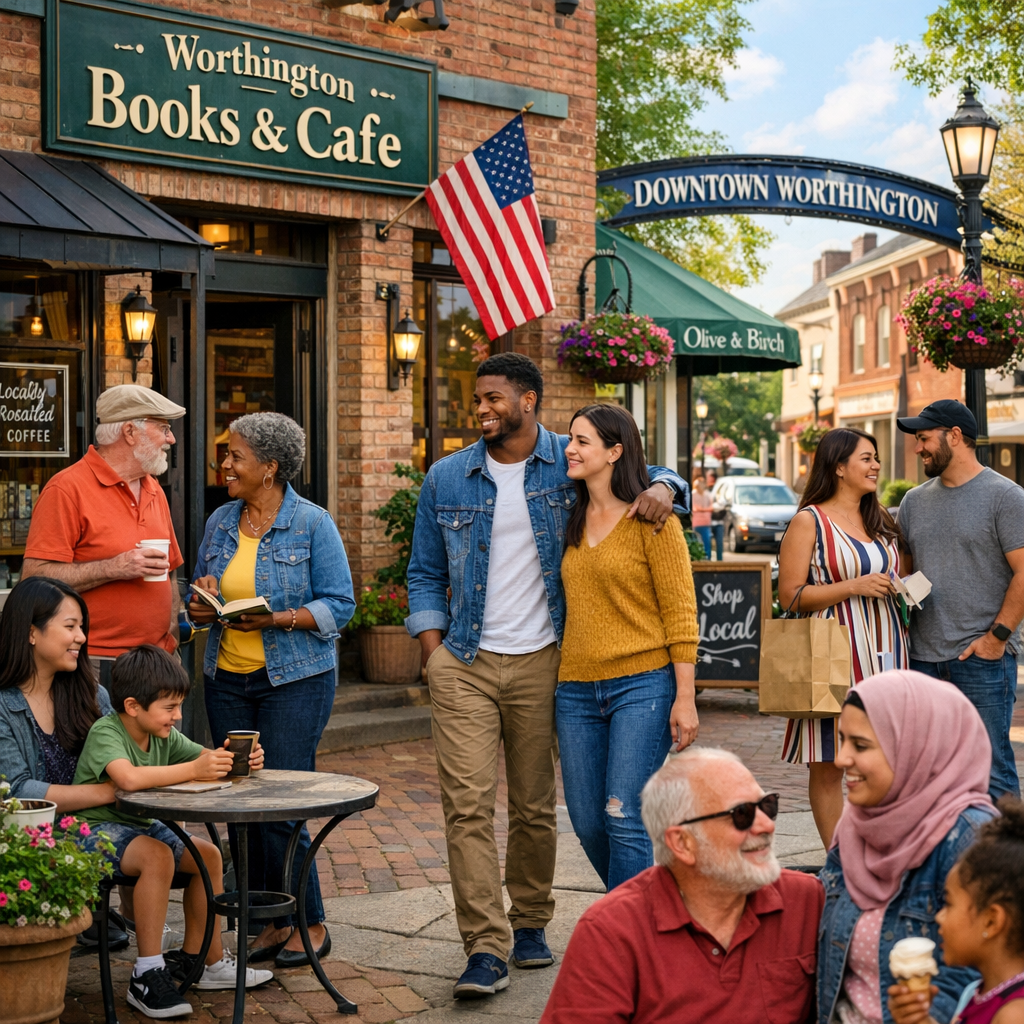
Worthington, Minnesota has long been known as a strong regional hub—thanks to agriculture, manufacturing, and a growing retail and service sector. In recent years, immigration has played a central role in reshaping the city’s business landscape, bringing both opportunities and challenges.
The Economic Backbone of Worthington
With a population just under 14,000, Worthington supports over 8,000 jobs spread across more than 400 businesses in the ZIP code area. Average wages sit close to $49,000 annually, slightly above the county average. Small businesses dominate the scene: more than 80% employ fewer than 20 people. Key industries include retail trade, health care, construction, food and accommodation services, and transportation.
Manufacturers such as Bedford Industries (packaging), Highland Manufacturing (housing components), Merck Animal Health, and major employers like the JBS meatpacking plant—staffed by thousands—remain cornerstones of the local economy.
Immigrant Entrepreneurs Fueling Renewal
Nearly one-third of Worthington’s residents are foreign-born, and about 45% identify as Hispanic or Latino. For many immigrants, entrepreneurship has been a path to both economic stability and community connection. Latino- and Asian-owned grocery stores, restaurants, bakeries, and clothing shops have renovated vacant storefronts, revitalizing downtown. Efforts by local lenders and community organizations provide resources and support—though language, access to capital, and cultural differences can still be barriers to growth.
Benefits on Display
- Revived downtown commerce as immigrant-owned businesses draw customers not only locally but from surrounding towns.
- Expanded diversity strengthens resilience—variety of businesses and industries means Worthington isn’t overly reliant on any single sector.
- A population base that contributes to the labor force and helps support both retail and industrial employers with steady demand.
Challenges That Need Addressing
Economic disruption hit when fear of immigration enforcement caused many immigrant residents to stay home, reducing customer foot traffic dramatically. Some businesses reported drops in sales of 50% or more during intensified immigration operations. Rumors spread quickly, and business owners sometimes find themselves managing misinformation as much as commerce.
Infrastructure and building conditions also matter. Many commercial and industrial structures are aging, and energy efficiency or upgraded amenities are lacking—features that often sway both new businesses and returning customers.
Forward-Looking Trends & What’s Next
Looking forward, Worthington faces a number of trends to watch:
- Employment projections: Growth across Southwest Minnesota is expected to outpace local gains, suggesting regional collaboration could be key.
- Diversification of revenues: Worthington depends heavily on income taxes, so strengthening other revenue streams—like improved retail activity and commerce—could help shield against economic shocks.
- Quality over quantity in space: New business development will likely favor fewer but higher-quality commercial spaces—efficient, attractive, and energy-conscious.
- Supporting immigrant firms: Access to capital, technical assistance, and inclusive communication continue to be critical to growth in immigrant-led businesses.
Conclusion
Worthington’s business & economy beat is no longer just about agriculture or manufacturing—it’s about culture, community, and collaboration. Immigrant entrepreneurs are ensuring the city stays vibrant as they build businesses, serve customers, and help fill storefronts. The challenge for Worthington is ensuring that its economic structures—tax base, infrastructure, financing—keep up so that everyone benefits as this shared future takes shape.